Wet Age Beef Roast Is Frozen Count as Wet Aged
Youth isn't ever something to strive for. Similar to cheese and wine, quality beefiness is worth waiting for, and aging is a crucial step that ensures meat is as tender and flavorful as possible. The two main means to age meat are dry-aging and wet-crumbling. Humans accept been dry-crumbling meat for centuries, just wet-aging only became possible upon the invention of plastic and the magic of vacuum-sealing. A battle for the ages. Both dry-aged and wet-anile steaks are worth trying, but they each accept their pros and cons. The dry-aging process involves hanging cuts of meat just above freezing for weeks to allow enzymes to interruption down the collagen between musculus fibers, making the meat tender. This process also allows water to evaporate, which condenses the meat and concentrates the flavor. The concentrated flavour of dry out-aged meat either attracts or repels people, depending on their tastes—information technology could exist considered the blueish cheese of beefiness. One downside of the dry out-aging process is that the moisture loss shrinks the meat, resulting in a lower yield and higher cost per pound. Not to mention the farther loss due to the need to "face" each cut, slicing the outer chaff off each side to laissez passer USDA standards. The more mutual crumbling method used today is moisture-aging, a procedure in which meat is vacuum-sealed in plastic and allowed to historic period for four-10 days, or sometimes longer. Similar to dry out-aging, the process allows enzymes in the trapped juices to break down collagen betwixt muscle fibers, increasing tenderness. Unlike with dry-aging, there is no wet loss, resulting in less concentration but making it more affordable and juicier with a higher yield. Wet-aged meat has a fresher, slightly metallic sense of taste, which we've become accepted to as dry-aging becomes a rarity. Aged meats can be cooked on either the grill or the oven; but be sure not to overcook the cut in either instance. The point is to appreciate the tenderness and flavors created by the aging process, so go on it elementary. Especially with dry-anile meat, let the thawed steak sit down at room temp for 30-60 minutes to allow it to "unfold." For wet-anile steaks, you lot will also want to pull the meat out of the refrigerator 30 minutes before y'all're prepare to cook so information technology can achieve room temperature. Add minimal seasoning—a bit of salt will do. Then roast or grill the meat to preferred doneness—we recommend no more than than medium-rare. One time your meat is ready to melt, follow these steps for grilling: Dry-aged and wet-anile steaks are both worth a endeavour. Both hold the wisdom and tenderness that come with fourth dimension. Our Wagyu steaks are moisture-aged for 56 days in their own juices for ultimate moistness and tenderness. Nosotros would argue that long-term wet-aging is the best of both worlds, allowing the meat to maintain moisture while giving it the time it needs to develop peak tenderness. If you want to taste what we mean, we recommend trying our wet-anile strip steaks, a thick, robust cut that demonstrates you can have your steak and eat it, also.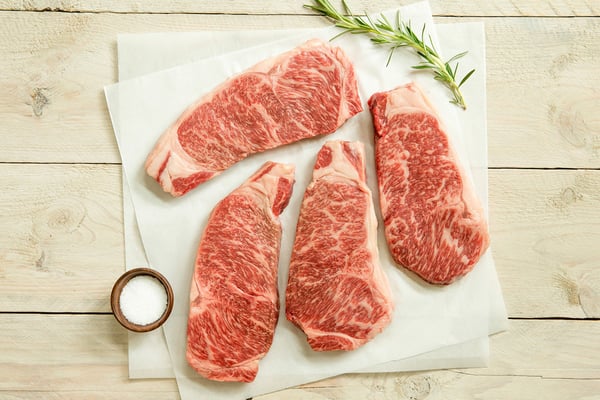
Dry-Aged vs. Wet-Aged: The Face-Off of Our Fourth dimension
Best Cuts for Each
Dry-aged
Moisture-aged
Best Ways to Prepare

Source: https://blogs.lonemountainwagyu.com/intro-to-wet-aged-vs.-dry-aged-beef
0 Response to "Wet Age Beef Roast Is Frozen Count as Wet Aged"
Post a Comment